Streetwear has several roots, not one
There is no single birthplace of streetwear. The term covers clothing that grew from youth subcultures rather than from fashion houses: Californian surf and skate, East Coast hip hop, graffiti, punk, and later Japanese and European scenes that studied and remixed all of them. What they share is a habit of taking ordinary garments, such as the tee, the hoodie, the work trouser and the basketball shoe, and loading them with identity through graphics, fit and how they are worn.
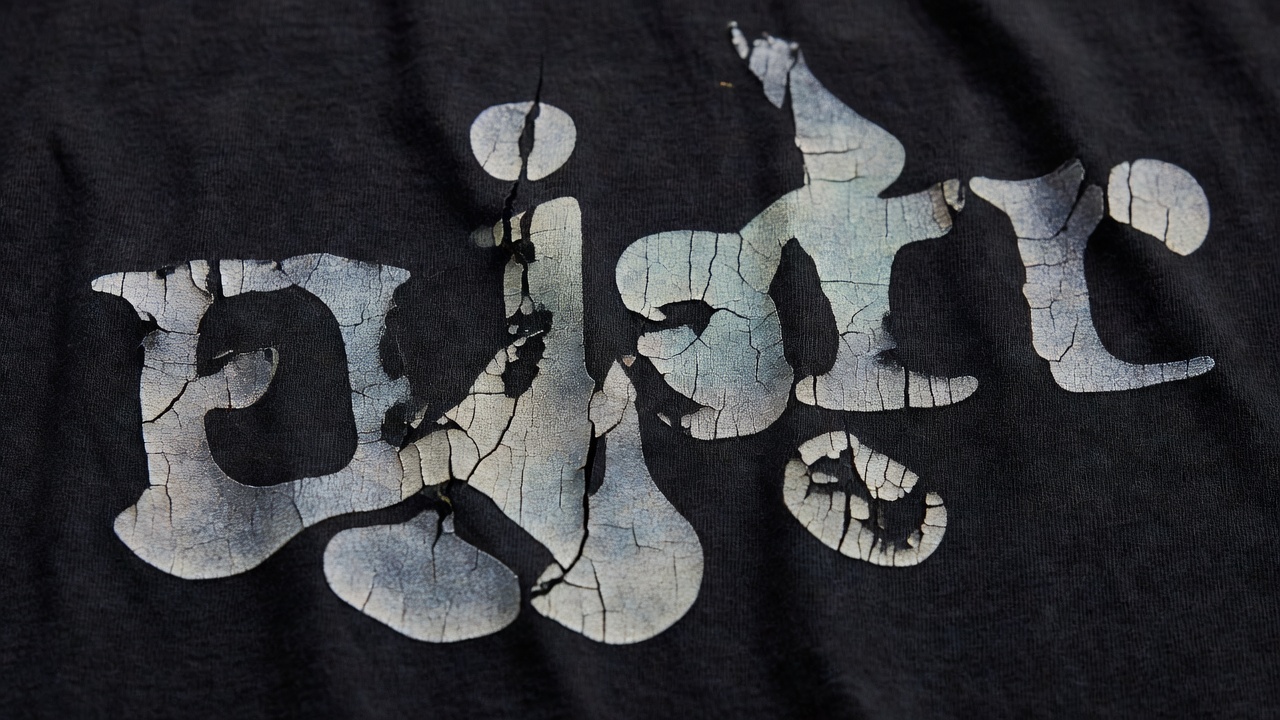
That is why the same hoodie can mean different things in different places. A logo printed on cotton is cheap to make, so it became the natural medium for small crews and shops to announce themselves. The graphic travelled faster than the garment.
A contextual timeline
- 011977Vans introduces the Old Skool, with the side stripe later called the "jazz stripe". Skaters in Southern California adopt it for its grip and durability.
- 021980In Laguna Beach, Shawn Stussy begins printing his surfboard signature on tees, an early example of a personal mark becoming a clothing label.
- 031982Dapper Dan's Boutique opens on 125th Street in Harlem, producing custom garments that rework luxury monograms for hip hop artists and local figures. Nike releases the Air Force 1, designed by Bruce Kilgore.
- 041985The Air Jordan 1, designed by Peter Moore, launches and helps turn basketball footwear into cultural currency.
- 051986Run-DMC release "My Adidas", a song celebrating the shell-toe Superstar and leading to a landmark sportswear endorsement for a rap group.
- 061988The Lo-Lifes crew forms in Brooklyn around collecting Polo Ralph Lauren, showing how a preppy label could be reclaimed by a street crew.
- 071993Nigo founds A Bathing Ape in Tokyo's Ura-Harajuku district, part of a scene of small shops and limited runs.
- 081994Supreme opens on Lafayette Street in New York as a skate shop; its red box logo becomes one of the most recognised marks in the field.
- 092013Virgil Abloh launches Off-White, blurring streetwear and runway; he later became artistic director of Louis Vuitton menswear in 2018.
- 102015The Brooklyn Museum presents "The Rise of Sneaker Culture", and Sacha Jenkins' documentary "Fresh Dressed" traces hip hop fashion's history.
- 112017Supreme and Louis Vuitton release a collaboration, a moment widely read as streetwear's full entry into luxury.
Remix, bootleg and the logo flip
Much streetwear graphic language comes from appropriation. Dapper Dan's work rearranged existing monograms into new garments years before the luxury houses embraced street culture. Skate and surf brands borrowed corporate logos and twisted their words. The so-called logo flip, taking a famous mark and changing its text or meaning, became a common move, sometimes playful, sometimes critical, and often legally contested.
When you look at a graphic, ask what it is quoting. A font, a colour block or a layout may point to a record sleeve, a sports team, an advertising campaign or a protest poster. Recognising the quotation is the first step toward reading the garment rather than just liking it.
Tokyo as a laboratory
From the early 1990s, the narrow streets behind Harajuku's main avenues, known as Ura-Harajuku, hosted shops and labels that studied American workwear, military surplus and skate culture with unusual precision. Figures such as Hiroshi Fujiwara, often described as a key tastemaker of that period, and labels like A Bathing Ape and Undercover built a model of small production, collaboration and storytelling that influenced streetwear everywhere. Japanese magazines documented the scene in close detail, spreading its codes abroad.
Reading symbols respectfully
Many streetwear codes belong to specific communities. Gang colours, religious motifs and regional sports references can carry meanings that outsiders miss. An independent observer's job is to explain those meanings, not to treat them as decoration. Before wearing or sharing a symbol, it helps to know where it came from and who first gave it significance.
"Fresh Dressed" (2015), the Brooklyn Museum's 2015 sneaker exhibition catalogue, and archive coverage in publications such as Complex and Hypebeast offer accessible starting points. Compare several sources; early streetwear history is full of competing memories.
Symbols live on surfaces; the final balance often comes from what sits at the edges. Continue with The Last Ten Per Cent.