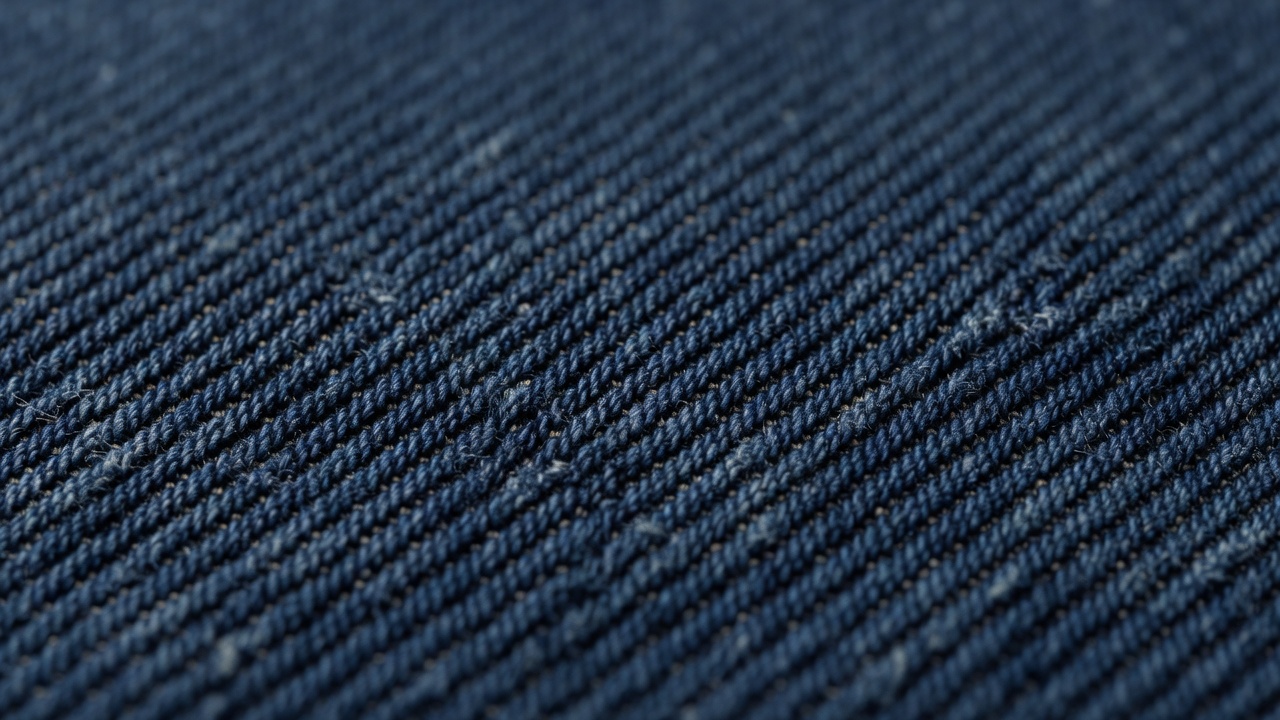
Weight is the first fact
Fabric weight is usually given in grams per square metre (gsm) or, for denim, in ounces per square yard. For t-shirts, roughly 140–170 gsm feels light and fluid, 180–220 gsm is a sturdy everyday weight, and 240 gsm and above is what many streetwear labels call heavyweight. Heavier jersey holds its own shape, which is why boxy tees are almost always cut from thicker cotton: thin fabric would simply collapse into folds.
You can estimate weight without a label. Hold the garment up to a light. If you can see your hand clearly through a single layer, it is light. If the fabric feels dry and slightly stiff, and the neckline rib is thick and dense, you are probably holding something above 220 gsm.
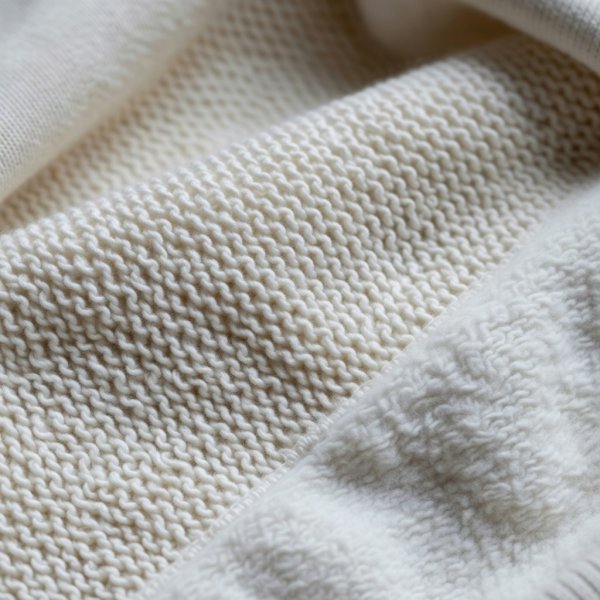
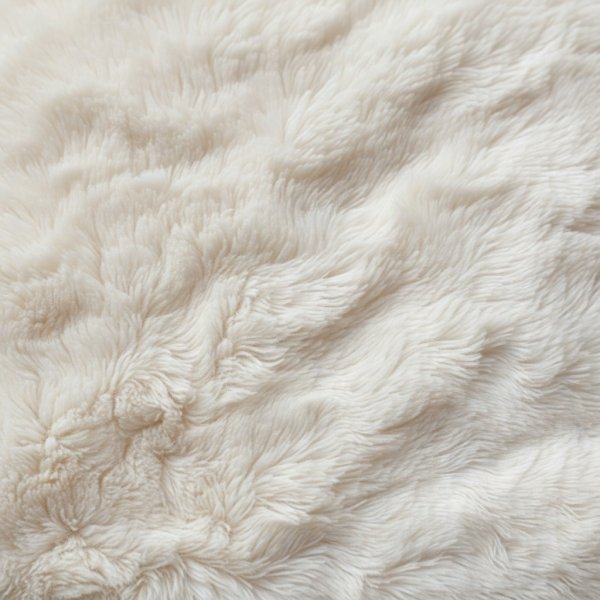
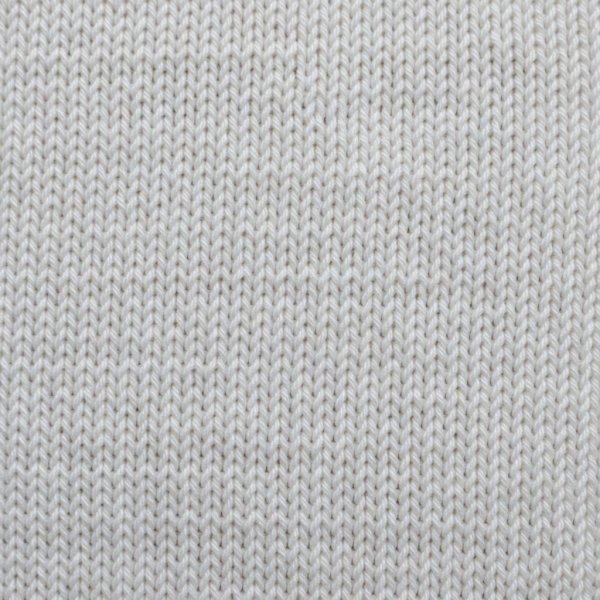
Jersey, terry and fleece
T-shirts are single jersey: one set of interlocking loops, smooth on the face and slightly textured on the back. Sweatshirts and hoodies use heavier knits with an extra yarn floated on the reverse. If those back loops are left intact, the fabric is French terry or loopback; if they are brushed into fluff, it is fleece. Loopback breathes and keeps its surface longer. Brushed fleece is warmer but tends to pill and shed.
One historical detail still shows up in streetwear today. Champion developed its Reverse Weave sweatshirt to limit vertical shrinkage by cutting the body with the fabric grain running sideways, and patented the construction in the early 1950s. The side gussets of ribbed knit that allow movement became a visual signature, copied widely by labels referencing American athletic wear.
Denim, selvedge and the loom
Denim is a cotton twill: the weft passes under two or more warp threads, creating a diagonal line. Traditional indigo denim uses dyed warp and undyed weft, which is why jeans are blue on the outside and paler inside. The riveted work trouser that became the Levi's 501 dates back to an 1873 patent held by Levi Strauss and tailor Jacob Davis.
Selvedge denim is woven on narrow shuttle looms that produce a self-finished edge, often marked with a coloured line. When jeans are cut with that edge along the outseam, you see it on a turned-up cuff. For decades, Cone Mills' White Oak plant in Greensboro, North Carolina, was a famous American source of selvedge; it closed in 2017. Today much selvedge is associated with mills around Kojima in Okayama Prefecture, Japan, a region known as a centre of Japanese jeans production.
Raw or unwashed denim has not been pre-washed after weaving. It is stiff, may shrink, and fades according to how you wear it: whiskers at the hips, honeycombs behind the knees. Those fades are personal evidence, which is why raw denim attracts such devoted wearers.
What sits on the surface
| Method | How it looks up close | Hand feel | Ageing |
|---|---|---|---|
| Plastisol screen print | Opaque, slightly raised ink layer | Rubbery, can feel heavy | Cracks over time |
| Water-based screen print | Ink soaks into the fibres | Soft, almost invisible | Fades gently |
| Discharge print | Dye removed, colour replaced | As soft as the fabric | Wears with the garment |
| Direct-to-garment (DTG) | Fine detail, sometimes slightly dull | Soft on light fabrics | Can fade faster |
| Embroidery | Raised thread, visible backing inside | Textured, stiff patch | Very durable |
Upkeep without fuss
- Wash printed garments inside out on a cool cycle to protect the ink surface.
- Avoid tumble drying heavyweight cotton if you want to keep its length; heat drives shrinkage.
- Dry fleece flat or on a hanger; the weight of wet fabric can stretch cuffs.
- For raw denim, follow the maker's guidance; many suggest delaying the first wash to set fades.
- For technical shells with membranes such as Gore-Tex, invented by Bob Gore and colleagues around 1969, use a gentle detergent and re-proof the outer face when water stops beading.
Small hardware tells a story too: a zipper pull stamped with YKK, the Japanese manufacturer, is one of the most common signs of a reliable fastener. Next, see how symbols move across those surfaces in How Symbols Travel.